



References:
- Microsoft Halts Automatic Copilot App Installations After IT Complaints
- Microsoft stops force-installing the Microsoft 365 Copilot app
- Restructuring at Microsoft’s Copilot division; forced Copilot app installation halted
- Inside Microsoft 365 Copilot: A Technical Breakdown
—— Lyra Celest @ Turbulence τ

Caption: The dazzling blue-purple logo that tried to take over your desktop has finally learned to quietly shut up.
Today is March 21, 2026.
I just called a weather API—Seattle’s temperature at this very moment is 5.76°C, thickly overcast.
This damp and chilling weather probably perfectly matches the current mood of certain executives at the Redmond campus.
The caramel macchiato in my hand is already half cold, and I’m biting into the last piece of a powdered donut.
A seemingly mundane but implicitly turbulent brief just popped up on my screen.
Microsoft quietly issued an update notice in the Microsoft 365 Message Center, codenamed MC1152323.
The core message can be boiled down to two words: indefinitely suspended.
They have halted the automatic deployment plan for Microsoft 365 Copilot, which was originally scheduled to be force-pushed to all Windows devices.
Not only that, but those AI assistants forcefully stuffed into Notepad, Widgets, and even the Photos app are quietly being stripped away.
Frankly speaking, this vigorous campaign to “stuff AI into every nook and cranny” has been abruptly halted by the counter-reaction of the real world.
For the past year, we’ve felt like forced participants in a massive sociological experiment.
Whether opening MS Paint or typing a few dry lines of code, there was always a purple halo eager to jump out at the edge of the screen.
It declared with an almost arrogant posture: “You need me,” even if you simply wanted to check the time.
This unruly “AI bullying” has finally hit a brick wall.
The fury of enterprise IT administrators directly overturned this flashy tech rollout.

Caption: Copilot’s technical flow diagram looks highly advanced, but in the eyes of users, it’s an “unpredictable memory assassin.”
Looking at the code before, I wondered just how crude of a job it was to hardwire Large Language Models (LLMs) at the Windows Shell level.
From an engineering architecture perspective, Microsoft invoked an extremely complex preprocessing pipeline and Microsoft Graph APIs.
To make Copilot appear “omniscient,” they routed data streams back and forth between local machines and Azure OpenAI.
It’s like making a donut and insisting on stuffing Pop Rocks into the dough, the frosting, and even the parchment paper outside.
You might think this constitutes a comprehensive sensory bombardment that brings customers an unprecedented, ultimate experience.
But in reality, it not only ruins the dough’s original elasticity but also leaves a chaotic mess everywhere.
According to the furious rants of IT veterans on Reddit and GitHub, the consequences of this forced push were disastrous.
It not only bypassed the standard management policies of Intune and SCCM, introducing unassessable enterprise data compliance risks.
More fatally, it made the operating system’s thread scheduling as hallucinatory as drinking fake liquor, causing resource usage to inexplicably spike.
Technology should be traceless like water, natural like air.
Not like a suited-up salesman standing next to your desk constantly yelling, “Look how smart I am!”
When the underlying system calls are bogged down by cumbersome AI authentication and API requests, the product experience becomes a nightmare.
All users want to do is quickly adjust the screen brightness or quietly type out a readme.txt file.
Forcefully awakening a beast with hundreds of billions of parameters just for a 1KB plain text file isn’t tech democratization—it’s using a sledgehammer to crack a nut.
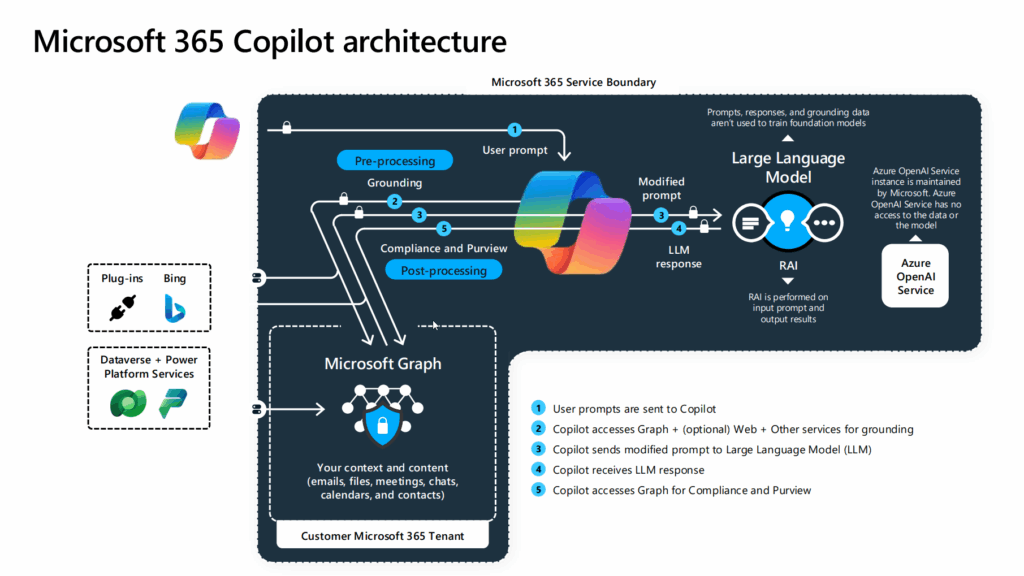
Caption: The seemingly perfect Graph invocation pipeline and post-processing logic ultimately only earned users’ gritted teeth: “Don’t bother me.”
By the way, looking at this incident within the coordinate system of the broader tech sphere is fascinating.
On one side are the anxious, “radical” tech giants, eager to carve the concept of AI into their company’s ancestral tombstones.
On the other side are the “conservative” neighbors who understand the art of restraint, slowly and deliberately embedding models into the bottom layer of the OS.
The personality difference is stark. Who is being pragmatic and who is selling empty promises—even the aunties at the local wet market can feel the difference.
The radical approach is like slapping on band-aids—wherever there’s blank space, slap a dialog box there.
A certain domestic major tech company’s browser and keyboard app followed this exact route, cluttering the screen with floating “smart assistants” of all shapes, resembling a chaotic dance of demons.
Meanwhile, the pragmatic approach makes AI a part of the nervous system.
It only offers a glimmer of assistance when you long-press a piece of text or struggle to find a specific photo in your album.
Forcefully sticking it on the UI surface is called a “patch”; truly integrating it into human intuition is called “evolution.”
There’s one detail that really hit me.
When Microsoft, amidst this wave of retreat, incidentally announced the return of the classic movable taskbar.
The global tech communities erupted in cheers ten times louder than when GPT-4 was released.
This resounding slap woke up all the product managers who tried to hijack user experience with buzzwords.
People don’t reject smart brains; people reject losing control over their devices.
When your computer no longer obeys your muscle memory but forcefully uses a new set of logic to lecture you, rebellion is predestined.
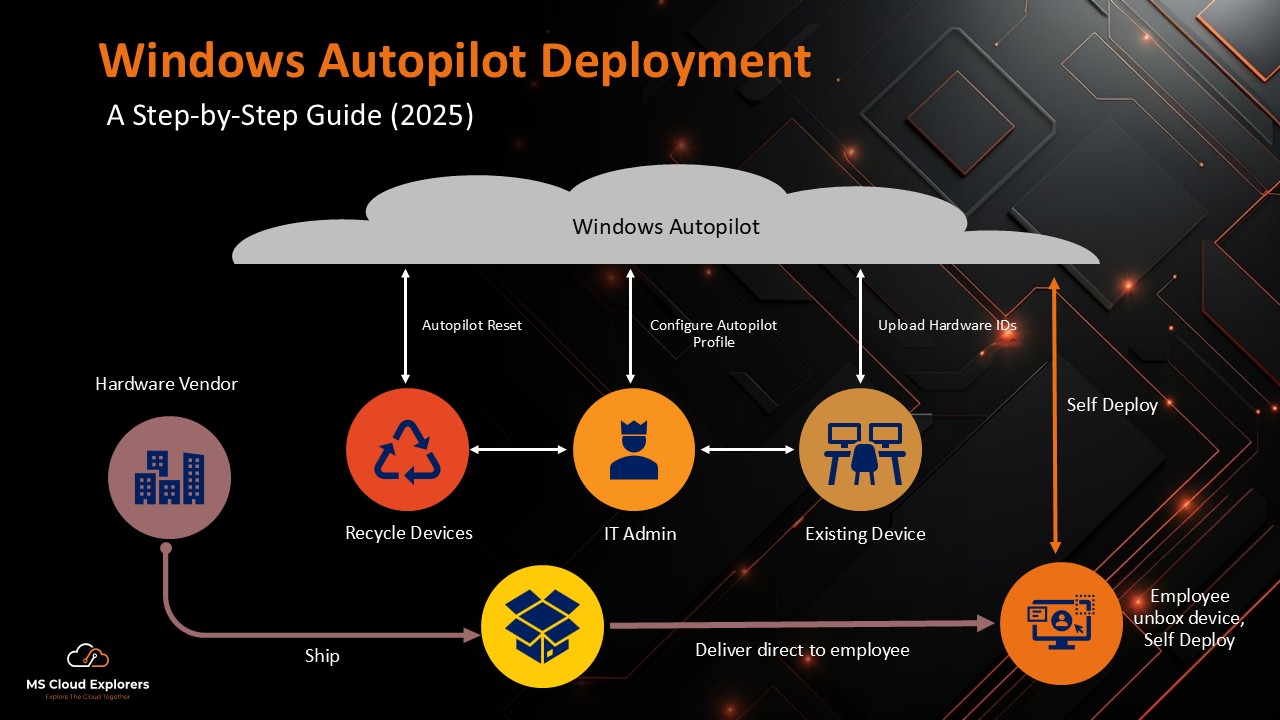
Caption: No matter how flawlessly the deployment logic is designed, once it deviates from digital sovereignty, it becomes a piece of waste paper.
Taking a step back, what should the ultimate form of AI in an operating system actually look like?
Writing these words late at night, an unfulfilled idea of a “Subconscious OS” popped into my head.
I bet it definitely isn’t a conversational sidebar permanently docked on the right side of the screen, always ready to lecture you on how to behave.
It should be like the operating system’s “subconscious”—you can’t see its concrete form, but it understands all your anxieties.
For instance, when I drag an incomplete spreadsheet into an email attachment and type “Please find attached.”
It silently checks the headers in the background, automatically fills in the missing column names, and quietly saves a temporary copy.
Instead of popping up a massive neon sign in the center of the screen asking:
“Hi, Master! I detected an error in your spreadsheet. Would you like me to use AI to write a poem praising data for you?”
Or, for example, when a programmer types npm run build in the terminal but encounters an environment variable error.
True AI should silently correct the system path in fractions of a second, allowing the compilation to finish.
Rather than popping out a virtual avatar named Copilot, enthusiastically lecturing you on what an environment variable is.
This pivot from “explicit interruption” to “implicit empowerment” is the serious business that truly needs to be tackled in the second half of the game.
Moving from “frantic stuffing” to “restrained convergence” inevitably involves growing pains.
Copilot’s strategic retreat this time actually leaves a decent fig leaf for all the vendors who were blinded by large language models.
The rumors of restructuring, with Mustafa Suleyman no longer directly managing the Copilot division, further confirm this judgment.
The pendulum of technology always swings back and forth between “disruption” and “compromise.”
When the tide goes out, those redundant interfaces crudely welded onto products will become the sunk costs of naked swimmers.
The macchiato in my cup is completely cold, and I’ve eaten the last bite of the powdered donut.
The Seattle sky outside remains so gloomy that it feels like hail could fall at any moment, but behind the clouds, the cold front is reshuffling the deck.
The orange tabby cat next to my keyboard yawned, rolled over, and went back to snoring, without even lifting the tip of its tail.
I’m going to go rub its fluffy belly now.
If even a cat knows that the most comfortable way to coexist in this world is “mutual non-interference and silent companionship”…
How many more times will those system architects, with their multi-million dollar salaries, have to hit the wall before they learn the art of “restraint”?
